

The Changeling from Celtic Folklore
Monster of the Week

The changeling from Celtic traditions are some of the most insidious and strange creatures from folklore. The Celtic changelings are connected to faeries, malevolent and powerful creature who can cause humans a great deal of suffering. These changeling share similarities with ones from Nordic folklore because of geographical proximity and intermingling during the Viking era, but the Nordic changelings are connected to trolls. Changeling folklore is even more similar between Ireland, Scotland, and Wales but again, there are differences such as the Scottish concept of the tithe to hell. However, all Celtic changelings are delivered by faeries to replace a stolen, human, typically a baby. The changeling is rarely a convincing replica of the missing baby, and in the 19th Century across the British Isles, horrific deeds were committed to rid homes of these complicated and tragically misunderstood “monsters”.
*trigger warning - the changeling folklore is connected to domestic violence and child abuse. Those topics will be discussed.
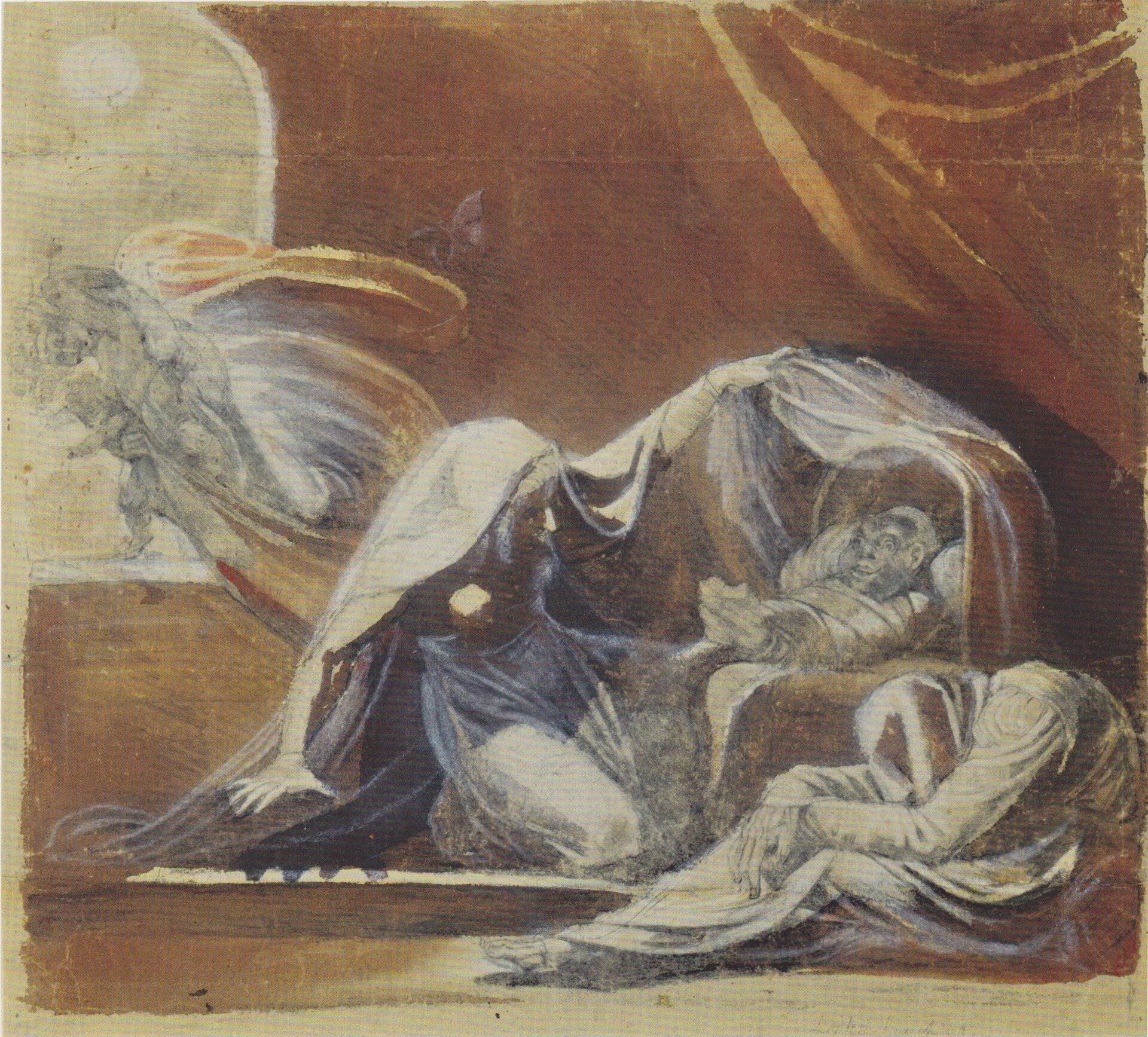
According to lore, a changeling appears once the faeries nab a human baby and steal it away to their world. In the baby’s place, the fae leave some sort of distorted replica of the child. The changeling may be a baby faerie that is deformed/ugly or an aging, senile faerie. Sometimes, the faeries leave a log that transforms into what seems like a human baby, but then it slowly rots away.
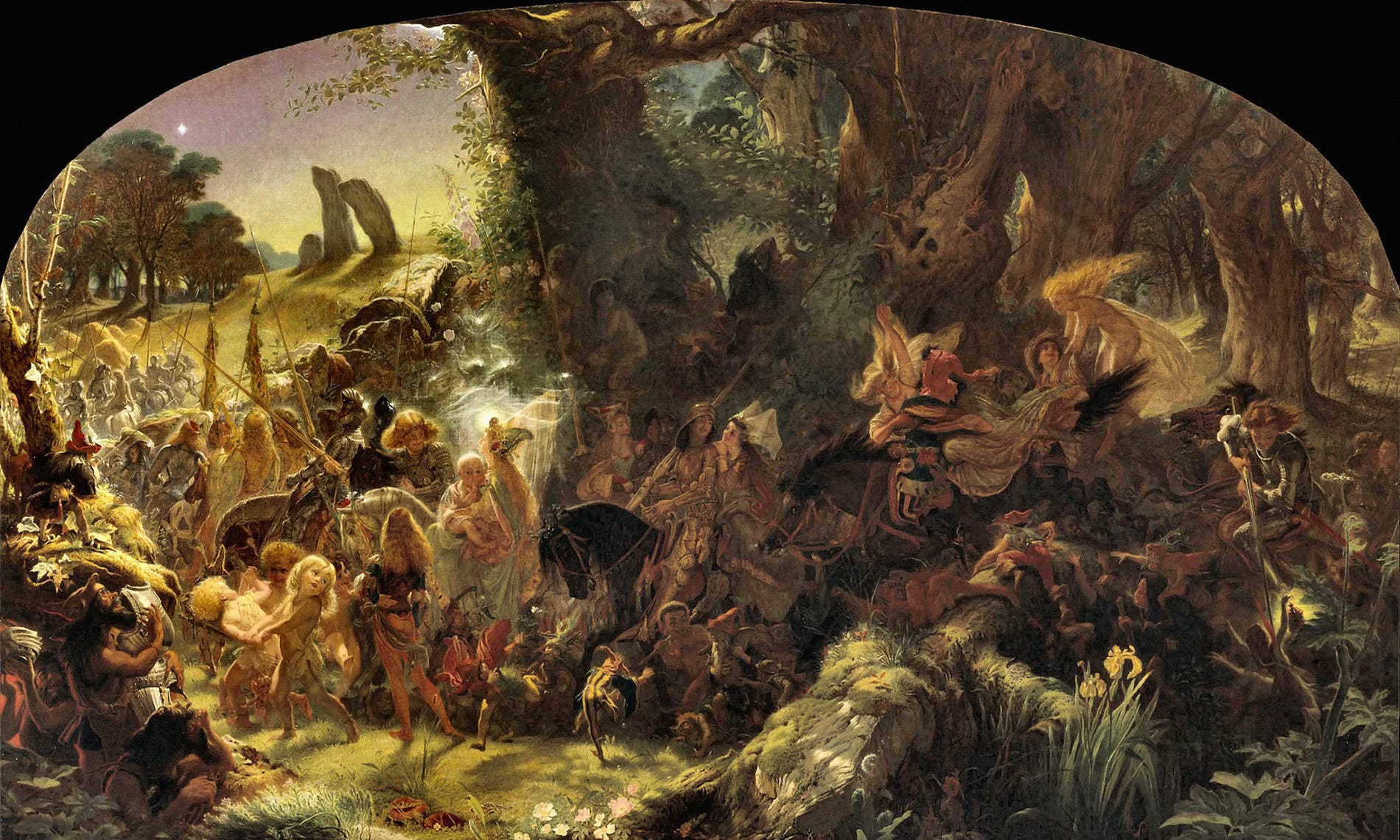
Why would a powerful faerie want to bring a human baby (or child) to their realm? It seems universal knowledge that these critters aren’t easy to care for and drain adults of all their energy. The answer to this question seems mixed. Some stories state that it is very rare for faeries to have babies, so they steal human ones to keep as their own. Faeries are very beautiful creatures and prize beauty over many things. If they have an ugly child of their own, they may seek to swap it out for a more beautiful baby. This part of the lore has created Irish superstitions around complimenting a beautiful baby too much. The person doing the complimenting can attract the unwanted attention of the faeries or be suspected of being a fae kidnapper themselves. Conversely, the faeries may simply want the human child as a servant. Finally, plain curiosity is another listed reason to why a faerie steals a human child.
Signs that a baby or child might be a changeling could involve it being sickly or having a deformity, like an extra finger or toe. High pitched wails are common, paired with unnaturally long fingernails or teeth. A changeling is never satiated or content. Others are described as silent oafs (another word for changeling) who slowly wither away. Most of these creatures die young but the ones who do make it to adulthood often go mad.
The Celtic stories around fairies are some of the most fascinating and frightening tales, and the changeling is one of the creepiest critters. Mostly, what is so terrifying about the changeling folklore is that it likely represents a child with some type of physical or mental disorder or illness that caused delayed development that society didn’t understand, rather than faerie kidnappers. When a seemingly healthy baby ceased to thrive like his/her peers, the family would become desperate for answers. Or more sinisterly, wanted to be free from the problematic child and resorted to infanticide. Long ago, medical professionals didn’t have enough answers, so some families put their faith in the world of fairies and folklore.
Possible ways to ward off faeries involved tacking horseshoes on the wall of the baby’s room or placing a cross or nails over its head. Some even left hot knives, scissors, or irons from the fire in the room with the child to prevent these supernatural abductions. Very curious to how many fires started that way. I’ve found no conclusive evidence that these dangerous methods keep faeries or changelings away.
One non-violent method to banish a changeling was documented in a Brewery of Eggshells. It involved filling up multiple empty eggshells with boiling water and serving them to the changeling. This would supposedly confuse a changeling because they had never seen such a thing, and that confusion would force them to reveal their true selves. Once that occurred, the faeries would return the real child.
Sadly, most ways used to determine if someone was a changeling and/or to banish the changeling from this realm were similar to testing if someone was a witch or possessed by a demon. The old methods involved poisoning with foxglove solutions, bathing the victim in water outside in the cold, drowning, holding them over flames, and burning them alive. The techniques were barbaric but promised to force the changeling to reveal its true self which was the only way to retrieve the real, beloved child that was taken from the family. The fairy doctors and the fairy remedies they prescribed were mostly brutal, and no credible success story has been documented.
It was also believed that young women or mothers could be kidnapped and taken to the faerie realm to act as nursemaids to the stolen children and fae children or to mate with the faeries. There was a particularly barbaric Irish changeling attack involving a woman that is referenced across the internet and the research involving this folklore creature, the torture and murder of Bridget Cleary in Southern Tipperary, Ireland.
Are you a witch or
Are you a fairy?
Or are you the wife
of Michael Cleary?
(schoolyard rhyme)
It is important to note that Bridget was making her own money with dressmaking and chickens. She was childless and beautiful. She was considered independent and smart. In 1985, Bridget was very ill with bronchitis. Her husband, William Cleary, became convinced she was a changeling partially because they had moved into a home on land that was believed to contain a fairy fort, an ancient place filled with faerie magic that is not to be disturbed. At the prompting of a close friend who was also the town storyteller, he went to a fairy doctor and proceeded to attempt to violently drive the changeling out so his real wife could return.
In the case of a changeling in fairy legend, the ‘fairy doctor’ would be consulted and the fairy spirit would be banished. According to W.B. Yeats, “Many things can be done to find out in a child a changeling, but there is one infallible thing—if of the devil, burn; but if it of God and the saints, be safe from harm” (given by Lady Wilde). Then if it be a changeling it will rush up the chimney with a cry” (Yeats, 53). Bridget Cleary’s cruel fate was initially justified by this belief. Michael Cleary exclaimed as he burnt his wife, “You’ll soon see her go up the chimney” (Bourke, 124). Reddy, Julia
Michael’s methods involved forcing poisonous solutions down her throat, hitting her, knocking her out, and ultimately, horrifically burning her to death. Up to seven others stopped by and assisted and advised in the torture and murder. The passage above implies that Michael believed he was dealing with a changeling or at least was pretending he did. Her husband and several others involved were prosecuted for her death.
While this clinical summary of her (Cleary) violent death made no reference to the supernatural or social context in which it occurred, the press were only too happy to do this. 19th-century Ireland saw the rise of provincial newspapers, an increase of professional journalists and an expansion in circulation. Hungry for copy to fill their pages, tales of witchcraft and fairy belief were immediately seized upon and syndicated around the world. So numerous were changeling attacks and murders involving sickly or disabled children in 19th-century Ireland that they did not have much newspaper selling power.
They were many reports of these types of attacks during this time period but the exact numbers remain inconclusive. The bolded statement in the above reference is terrifying if true. Could these violent changeling attacks have been so common at one point that reporting on them no longer sold newspapers? Or, did newspaper owners want readers to believe that these strikes were so common to both demonize pagan practices and peasants and/or sensationalize domestic abuse? At the time, the popularity of spiritualism, seances, and witchcraft was rising. The British leadership wanted witchcraft, magic, faeries, etc. to be perceived as lower class, something the higher class would look down on to help slow those trends.
Additionally, some of the press sensationalized these types of tragic stories as a type of propaganda to make violent pagan traditions seem more widespread, thus tainting all their traditions, building on their case that the Irish were incapable of self governance. There is a whole book that dives into this Cleary’s murder and these topics. The book, written by Angela Bourke called The Burning of Bridget Cleary, digs into the case and further explains its cultural and political significance at the time. I’m waiting for my hold to come through at my local library so I can read it in full. Yes, I am working on a larger story but more importantly, I really want to immerse myself in the time period and the setting that led to one of the most famous changeling attacks recorded. Regardless of the press coverage, traditions that end in a child or woman being burned alive definitely need to be confronted and stopped.
Sadly, these attacks likely represent severe abuse of children and women who suffered from some type of malady or were not behaving the way their families expected. The changeling reveals more about the darker nature of humans than of the faeries. When a baby or member of the family fell very ill or suffered from a disorder or illness that affected physical or mental development, horrible measures were sometimes taken. Unfortunately, women, children, and the disabled are typically the victims of these types of outlandish diagnosis and their violent remedies. Equally unfortunate, while changeling attacks are no longer common, domestic violence and child abuse have not stopped and continue to be prevalent in all societies.
Films Connected to the Changeling Folklore
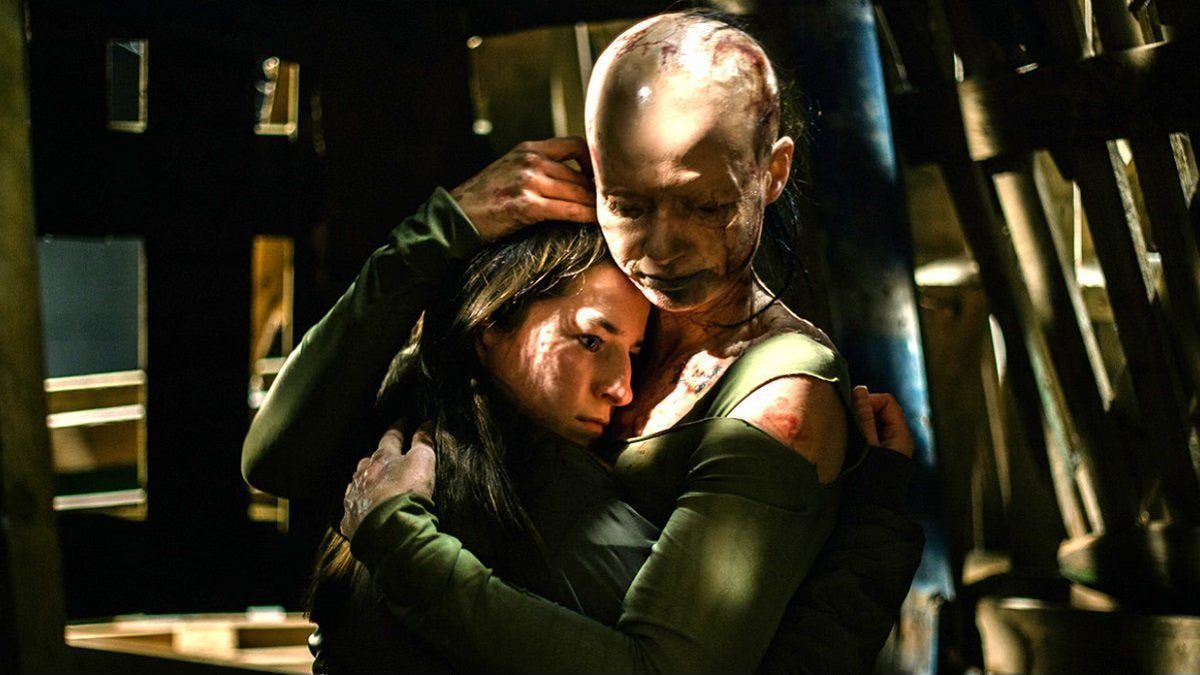
My favorite film and probably the most well-done one that involves a changeling is the Irish film You are Not My Mother written and directed by Kate Dolan. The unsettling film dives into the folklore but also explores mental illness and generational trauma. If you haven’t seen it and are fascinated by this creature, definitely go watch it. Another interesting film that involves changelings at some level is the Swedish film, Border. This one aligns more with the Nordic changeling folklore that involves trolls. Its version of the changeling and the storytelling isn’t for everyone, and it’s harder to watch but definitely worth viewing. If you want a fight-to- -death horror flick, check out The Hallow. For the animation peeps, Coraline is definitely a changeling story and Hilda and the Mountain King has a changeling story (Nordic) as well.
This was great Jessica. The changeling mythology has always fascinated me. So much so, we have that painting of The Fairy Raid on our bedroom wall
I’ve read loads of novels that has the changeling as part of a fairy tale narrative but didn’t realise the tragic reality
This might inspire to write my own tale 🤔
Chilling. I knew about the legend but not its implications, truly awful.